 Konto für Lernende erstellen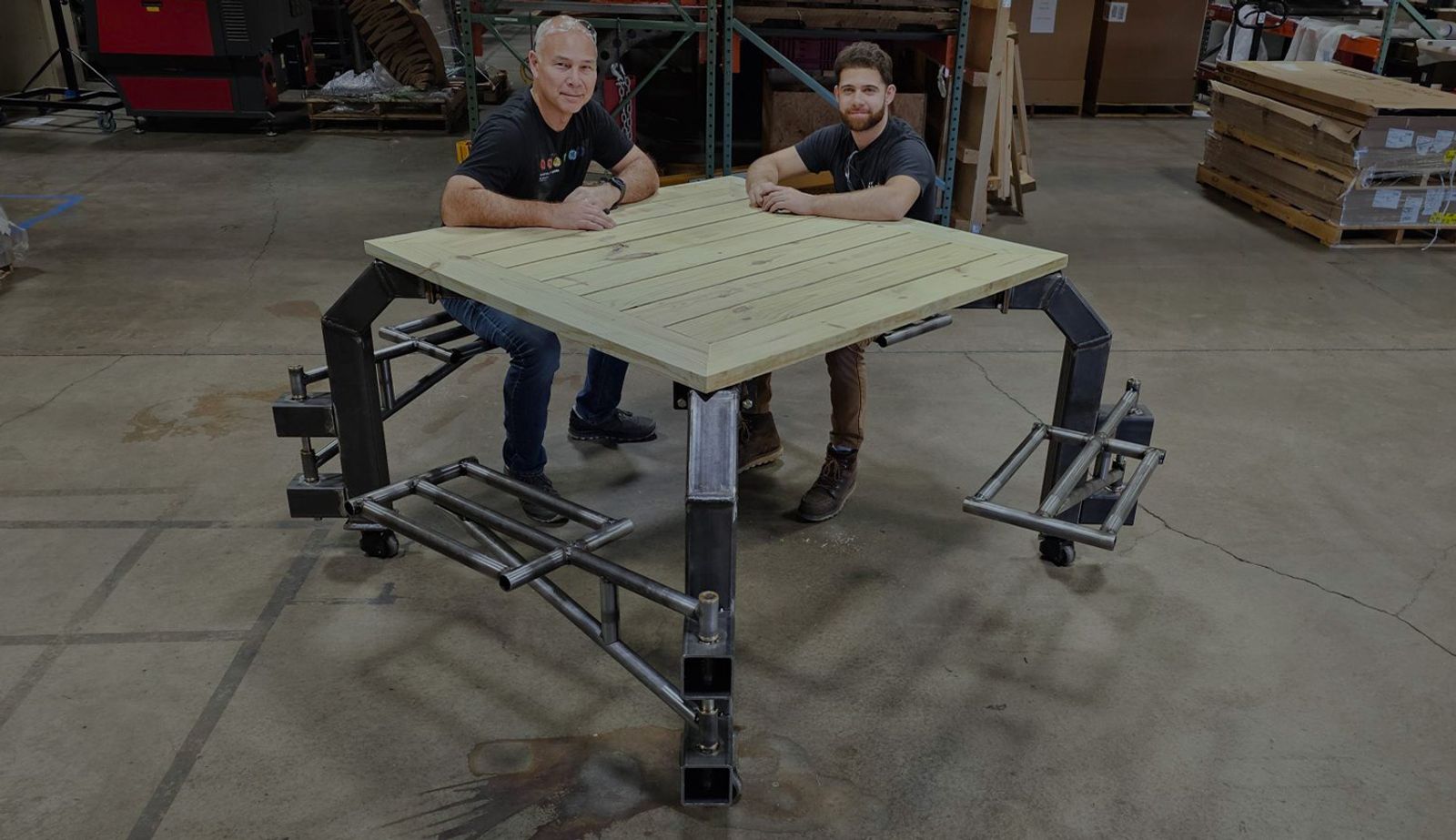

Michael Ekbundit is director of engineering programs for GE Appliances, a Haier company, working with students each year to spark interest in STEM careers. He volunteers his time teaching engineering through real-world community projects in Bullitt County Public Schools and at the University of Louisville. His approach focuses on helping students build transferable skills through projects that genuinely benefit their communities.
A few years ago in 2021, when I challenged a group of high school students to improve public spaces for people with disabilities, something special happened. They all immediately thought of someone they knew who had that need – a grandparent, a sibling, a friend. Suddenly, there was a face to the problem, and solving it meant helping somebody they cared about. That connection was the magic I’d been searching for.
What started as a classroom observation became a first-of-its-kind inclusive picnic table that we prototyped, built, and then donated to the city of Shepherdsville, Kentucky.
Students Discover Problems Hiding in Plain Sight
At the start, the Bullitt Central High School students in the GE Appliances STEM program began investigating their own community and started noticing accessibility gaps that most of us walk past every day.
Traditional picnic tables – with their fixed benches and narrow access points – made it nearly impossible for families with mobility challenges to sit together and enjoy simple pleasures like watching kids play at the park.
The students discovered that this entire segment of their community was being systematically overlooked. People couldn’t sit with everyone else. They couldn’t even reach many park benches.
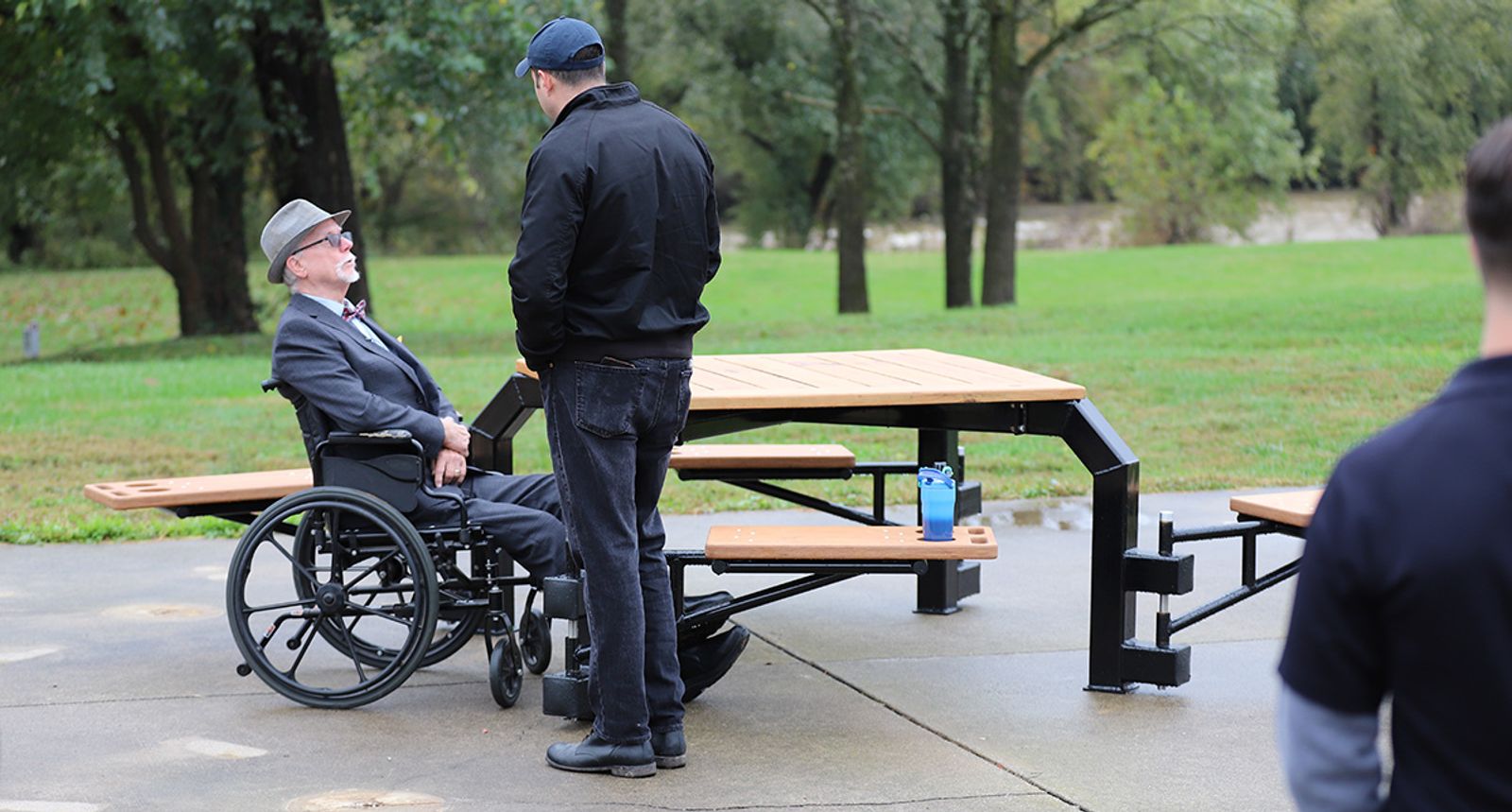
So the students joined forces to tackle the picnic table problem and came up with an innovative solution: a table designed from the ground up for universal access. Unlike traditional picnic tables with fixed benches on both sides, their design features open sides that allow wheelchairs, walkers, and other mobility devices to pull up directly to the table surface.
The result is a gathering space where everyone – regardless of mobility – can sit together comfortably and equally.
Cloud-Based CAD Removes Barriers to Entry
During the design process, I hit a wall. I didn’t have access to CAD software that students could actually use.
The high school kids all had Chromebooks issued by Bullitt County Public Schools, which meant we needed cloud-based software. Most traditional CAD packages required expensive licenses or hardware that the students didn’t have.
After a serendipitous recommendation, I learned about Onshape, PTC’s cloud-native CAD platform. Since it’s built in the cloud, students could work from anywhere on their Chromebooks.
The free Learning Center lets them get started without intensive one-on-one instruction. The collaborative features meant students could work together in real-time, and I could communicate directly with each design team without using phone or email
Having the right tools matters. Cloud access meant students on Chromebooks could participate. Collaborative features meant groups could work together seamlessly across locations and over the years. The Learning Center resources meant teachers could facilitate CAD education without being CAD experts themselves. The enterprise functionalities let me check who was logging in and answer questions remotely. The extra bonus was an extended collaboration with other mentors, as well as the easy transportability of models to maker spaces.
This accessibility unlocked possibilities we didn't even know existed.
From High School to University to Professional Engineers
From 2021 to October 2025, the project evolved across different groups of students. The Bullitt Central students created the initial design, built a prototype, and pitched the idea to the Shepherdsville City Council, who unanimously supported it.
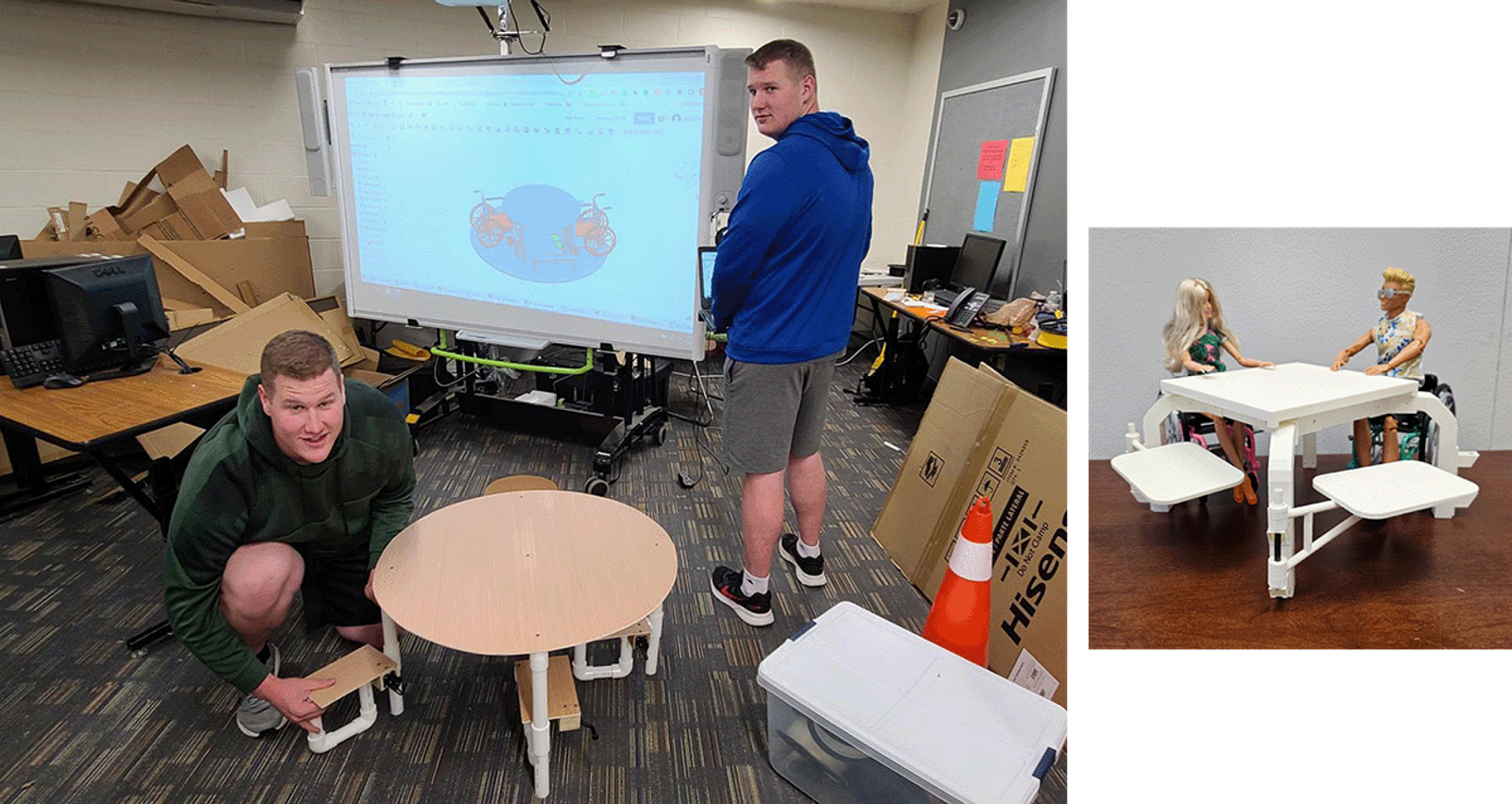
One of those original students, Brady Rosson, went on to the University of Louisville and ended up in my freshman engineering class. He brought the CAD model with him, and his college team refined the design further. That team refined the main structure and seat articulation. From there, they later pitched their concept to the Mount Washington City Council, who also unanimously supported it.
“It definitely started out as a concept, and I didn’t know where it was going to go,” Rosson said at the dedication ceremony. “It’s amazing to see how far it’s come.”
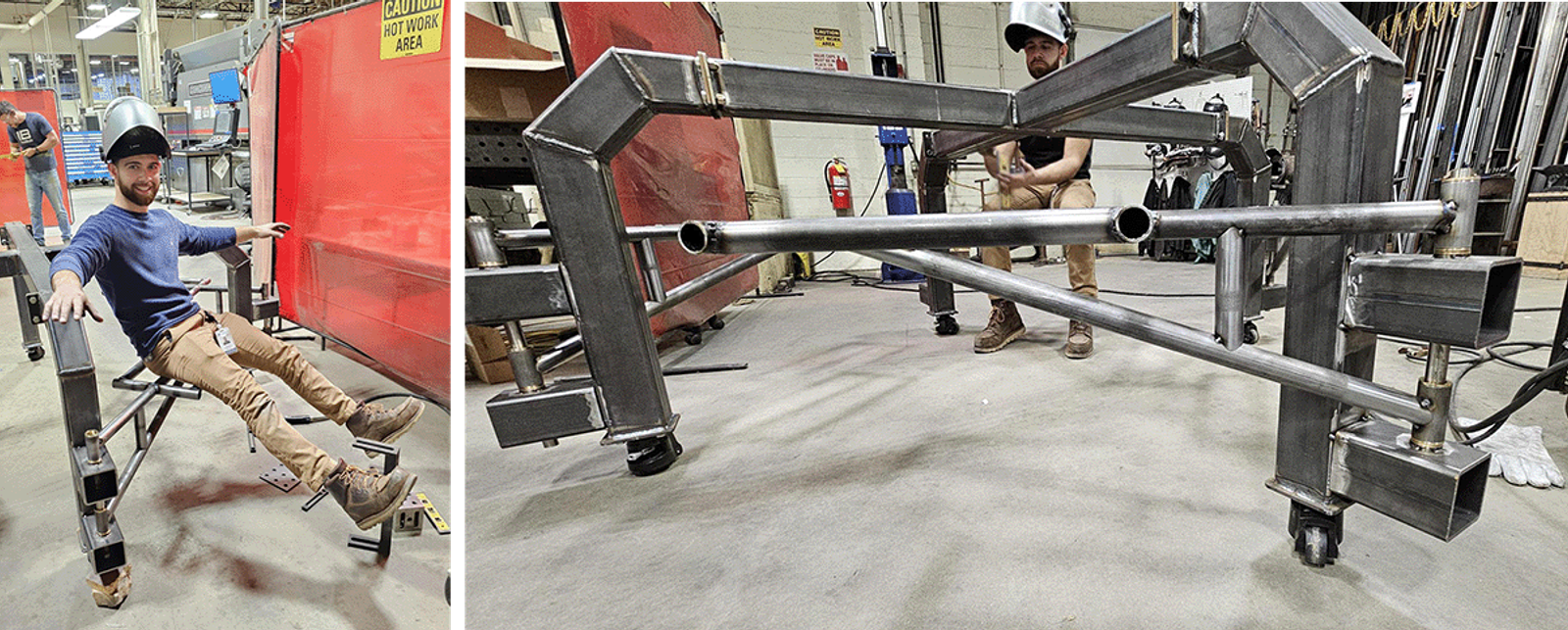
Eventually, I brought the project in-house to my team at GE Appliances. My engineers rebuilt the model in Onshape and added more features like cupholders in the seat tops. They also refined the design for easier maintenance, manufacturability, and prepared it for real-world durability before fabricating it at FirstBuild, a makerspace in Louisville.
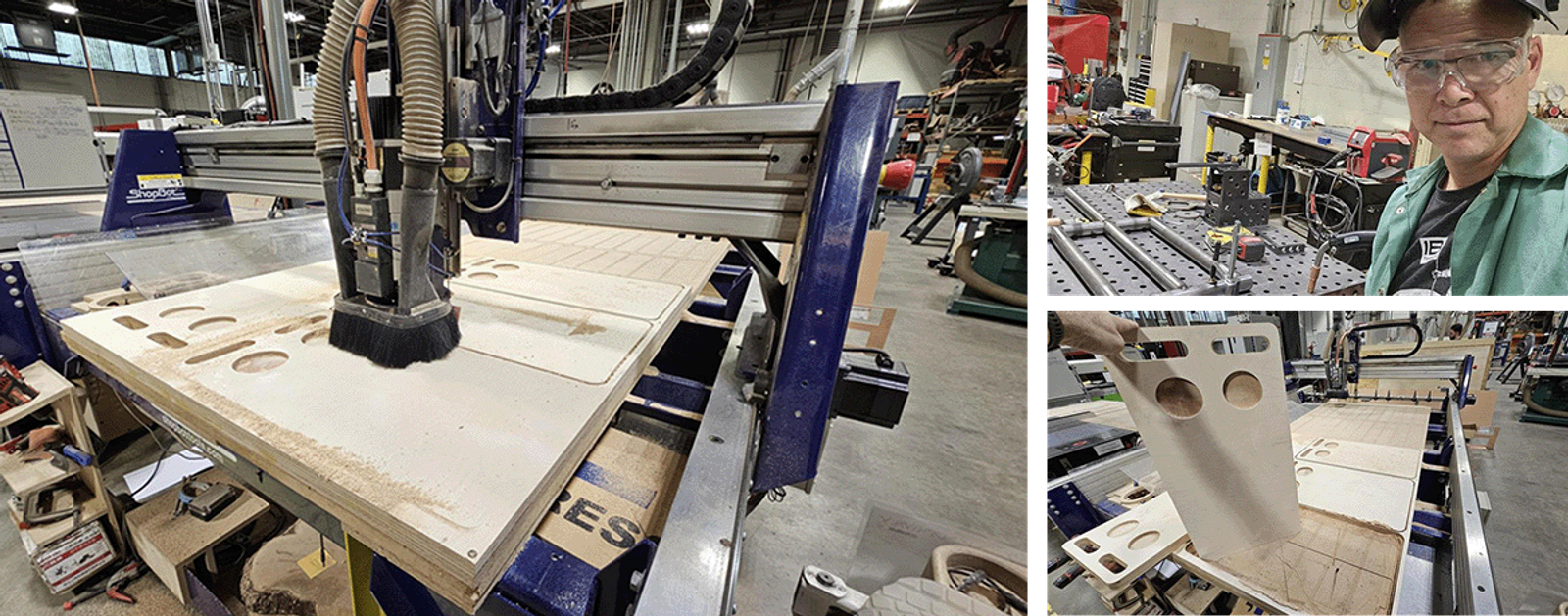
The transformation from student concept to professional-grade product showcased what’s possible when you give student ideas the full engineering treatment. What started as an idea became a prototype made from drinking straws and popsicle sticks, then PVC and foam board, then 3D print, and finally a version in structural steel and wood. We may have over-engineered it a bit – you could probably park a truck on this table – but that’s the beauty of taking student innovation seriously.
One Table, Countless Benefits
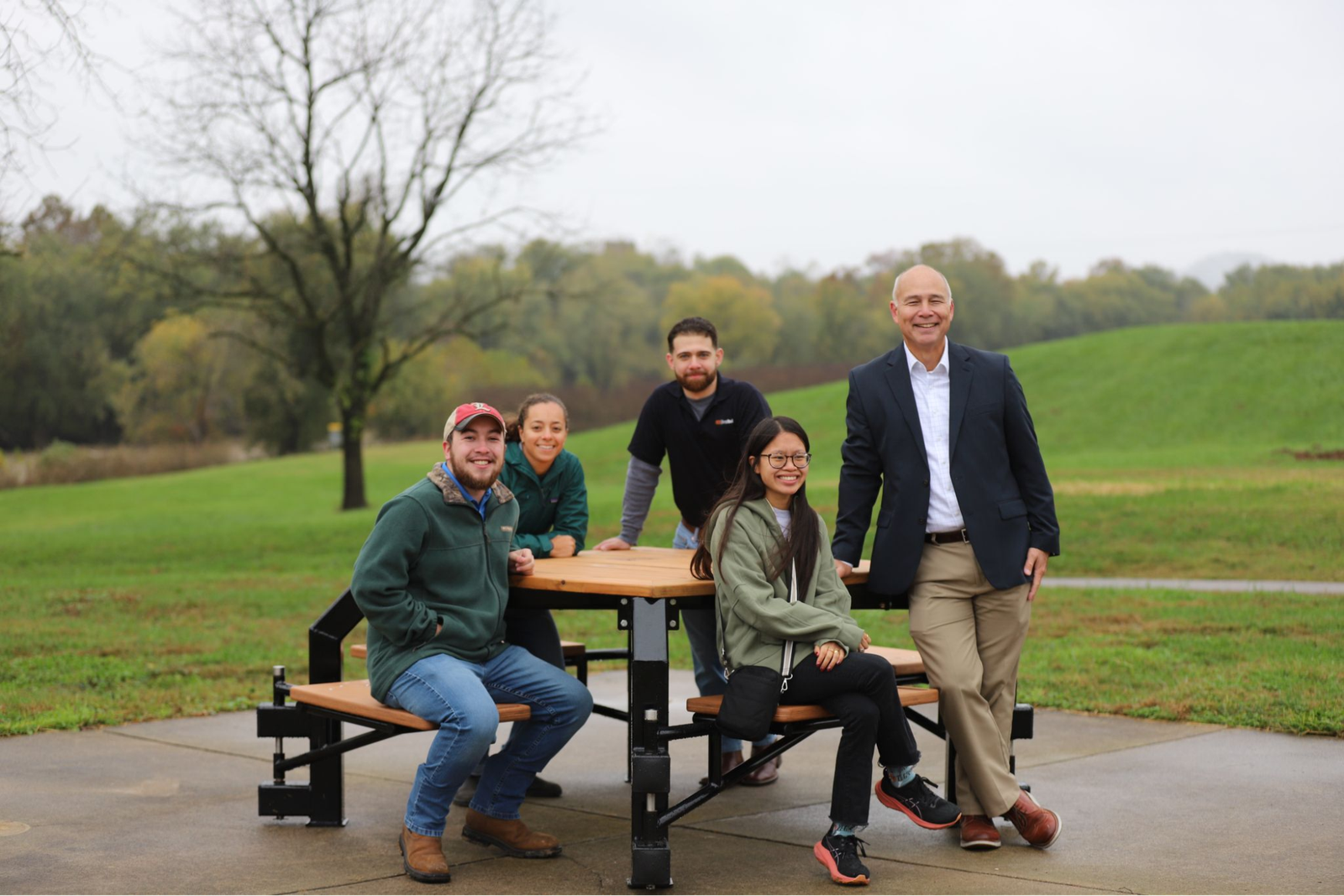
In October, Shepherdsville Mayor Jose Cubero hosted a ceremony to dedicate the completed table in the city park. Former students, university engineers, GE Appliances team members, and community members gathered to celebrate something that doesn’t exist anywhere else: a picnic table specifically designed so people with mobility challenges can sit comfortably alongside family and friends.
The mayor has already indicated that the city plans to purchase more of these tables for other parks.
But the real impact goes beyond the physical table. Along the way, we taught high school students how to identify community needs and design solutions. We gave college freshmen hands-on experience refining real-world projects. We trained professional engineers on fabrication techniques they’d never used. And we showed an entire community that accessibility isn’t an afterthought but an opportunity to innovate.
Investing in Future Generations Pays Off Now and Later
Investing in future generations is a win now … and later. Because when you give young people real problems to solve and the tools to solve them, great things happen. Sometimes it’s a picnic table. Sometimes it’s something we haven’t even thought of yet. But the end results will benefit the community for years to come.
That’s what can happen when we think a little bit outside the box.
Try Onshape Today
Besuchen Sie unsere Anmeldeseite, um den richtigen CAD-Plan für Sie und Ihr Team auszuwählen.
Latest Content

- Fallstudie
- Aviation, Aerospace & Defense
Dufour Aerospace Accelerates Critical Cargo Drone Delivery with PTC’s Onshape and Arena
02.11.2026 Mehr Infos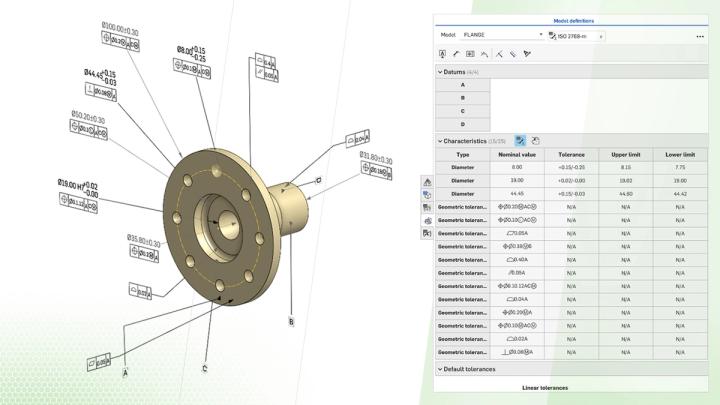
- Blog
- Evaluating Onshape
- Zusammenarbeit
How Onshape Fixes the Broken Promise of Model-Based Definition
02.26.2026 Mehr Infos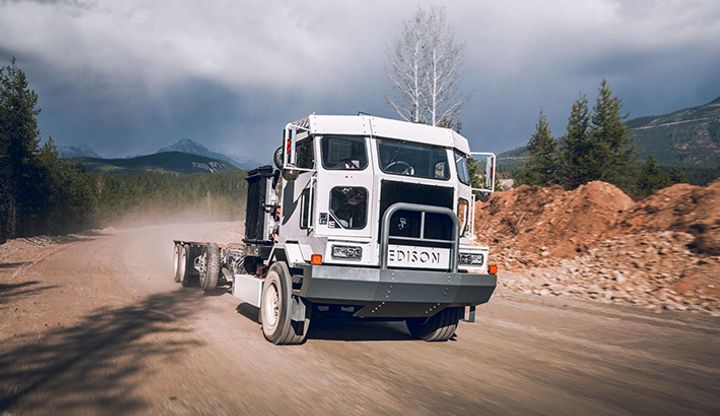
- Blog
- Kunden und Fallstudien
- Automotive & Transportation
Powering Heavy-Duty Innovation: How Edison Motors Builds Next-Gen Hybrid Trucks with Onshape
02.26.2026 Mehr Infos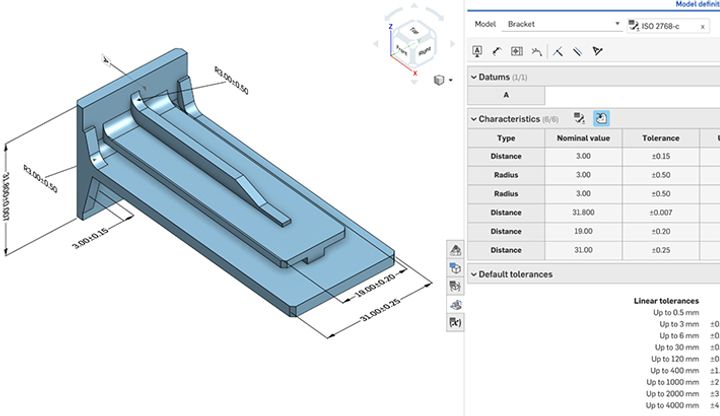
- Blog
- Evaluating Onshape
- Bildungswesen
- Education & Universities
Future-Proof Engineering Education with Model-Based Definition in Onshape
02.24.2026 Mehr Infos