
 Create a Student Account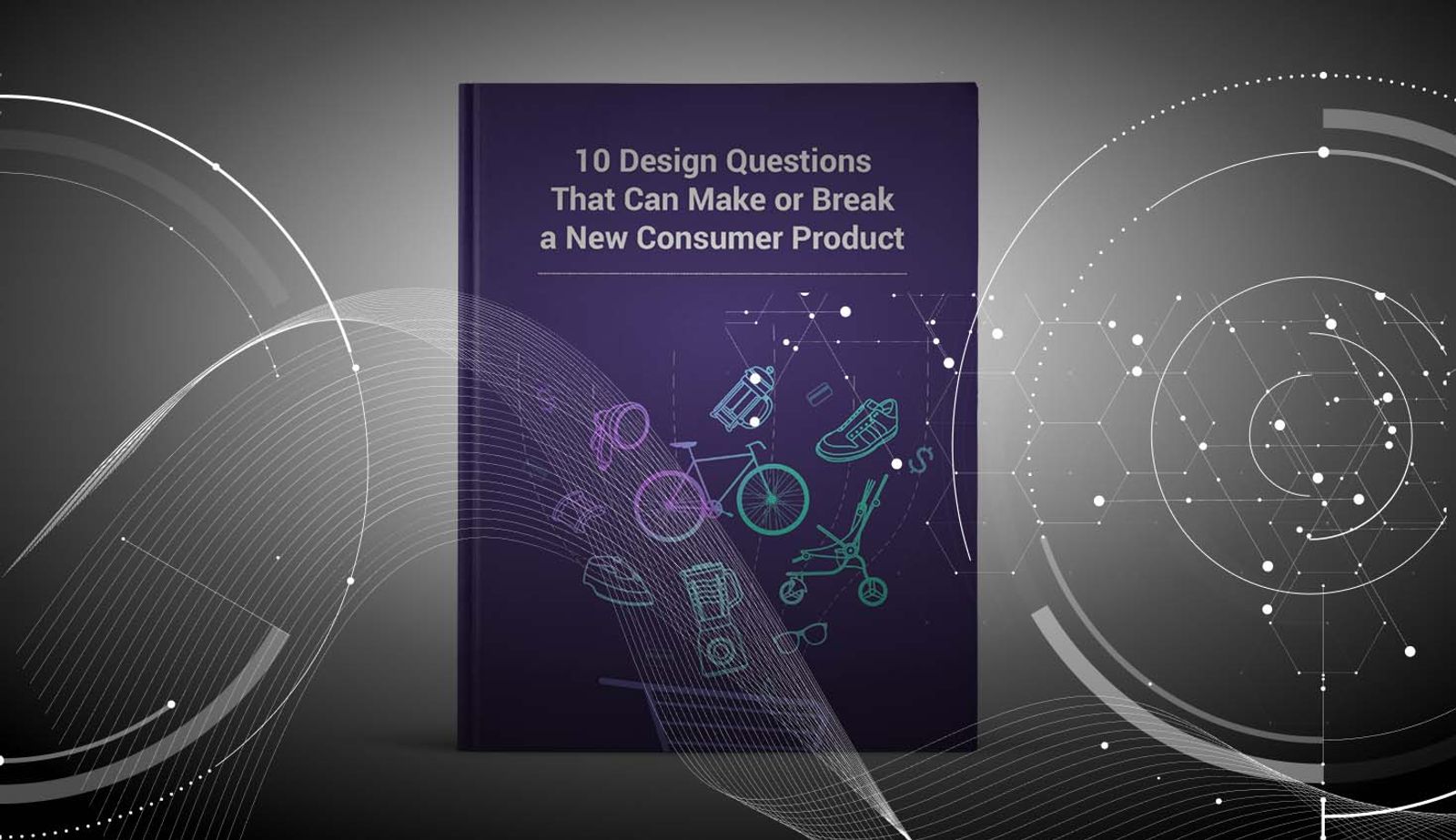
2:41
When designing products, consider the manufacturability of your design right from the outset. Design decisions you make early on and where you choose to manufacture your product have a major impact on your product costs.
Ignoring these factors will increase the risk of creating a product that is either too expensive to manufacture or one that will cost much more than what your target customers are willing to pay. A classic example of this kind of design failure is the “Coolest Cooler” that raised $13 million on Kickstarter only to find that the product could not be manufactured and shipped for its already advertised price.
You can learn more about the “Coolest Cooler” disaster in this blog post. Here are some tips on how your company can avoid sharing the same dismal fate:
- Involve manufacturing partners (internal or external) right from the outset starting with the very first design review. Often times, manufacturers can react and provide valuable feedback based on a 2D sketch or a 3D model with just the critical dimensions. Do not wait until the detailed design is complete.
- Speak with people, internal or external to the company, who have done it before. Speak to folks who are in a different industry (and hence not competitors) who are using similar materials and manufacturing methods that you want to use.
- Invest in training your product designers on Design For Manufacturability (DFM) and Design for Assembly (DFA) design methodologies.
- Ensure that designers have a holistic view of the concept to launch processes including sourcing of components, material costs, factory negotiations, expected customer returns, etc. Do not depend on your purchasing team to figure all this out. The more knowledgeable your product designers are on these factors, the more they will think about them during the design process.
- Make sure your manufacturing partners are aware of the design intent of your product. They need to know the problem your product is trying to solve, the target customer, the features critical for your product’s success, and the user experience you are trying to deliver.
- Do not equate 3D printing to large-scale manufacturing. DFA and DFM issues are often not obvious from 3D-printed models. Human hands still need to put things together when your final products are being manufactured. Build physical prototypes to uncover potential issues.
Of course, the above factors represent only a fraction of things to consider before you even log into your CAD platform.
To make your design journey easier, Onshape’s latest eBook provides a must-have checklist for you to pressure-test your ideas. The “10 Design Questions That Can Make or Break a New Consumer Product” come from mid-career engineers and designers who graciously shared their decades of product development experience. Their companies specialize in a wide range of products, including: acoustic equipment, home furnishings, baby products, athletic gear, power tools, farming equipment, FM radios, and bicycles.
Despite the diverse focus of these successful companies, it’s remarkable how much their product design and development processes share in common. Their hard-learned lessons can now benefit you, potentially saving your company time, money and frustration.
Download your copy of “10 Design Questions That Can Make or Break a New Consumer Product” today!
Latest Content
- Blog
- Becoming an Expert
- Assemblies
Built to Scale: Why Large Assemblies Don’t Slow Down in Onshape
07.16.2026 learn more- Blog
- News from Onshape @ PTC
- Artificial Intelligence
Onshape Labs: AI in CAD Guided by Designers, Driven by Innovation
07.15.2026 learn more- Blog
- Evaluating Onshape
- Data Management
- Collaboration
- Artificial Intelligence
How the Most Underrated CAD Feature Improves Design Workflows
07.09.2026 learn more